Used Car Inspection Guide for Kenyan Buyers
John Johnson - October 8, 2024
 0
0

John Johnson - October 8, 2024
0
Buying a used car in Kenya can be thrilling but also challenging. Many choose used cars over new ones because they’re cheaper. It’s key to inspect a car well before buying to get a good deal. This guide will help you check a used car in Kenya, ensuring you make a smart choice.
In Kenya, a used car with less than 110,000 km is best. A good car has a 4+ grade on the auction sheet. Always check the car’s real mileage and owner details online. An inspection certificate in Kenya shows the car’s odometer reading and registration year.
For a safe buy, use bank transfers to pay and meet the seller in person. A detailed pre-purchase inspection can spot issues like flood damage and odometer fraud. It also checks for recalls and the car’s mechanical state. By using this guide and a checklist, you’ll buy a used car with confidence.
Before you start looking for a used car, learn about the local market and Kenya motor vehicle regulations. Most cars sold here are second-hand imports from Japan. These cars are often cheaper than local ones, even with taxes included.
Researching popular car models in Kenya is key. Toyota is a top choice because of easy-to-find spare parts. Other favorites include Nissan, VW, Range Rover, KIA, and Subaru.
| Statistic | Percentage |
|---|---|
| Pre-owned vehicles with at least one previous owner | 78% |
| Second-hand cars with a record of being involved in an accident | 45% |
| Buyers who consider service records critical in their decision | 63% |
| Buyers who focus on mechanical condition for reliability | 55% |
Getting a reputable mechanic to check the car is a smart move. They should look at the car’s outside, inside, and mechanics. Also, checking the car’s mileage and maintenance records is vital for its condition and value.
A survey among Kenyan car buyers revealed that 63% consider the vehicle’s service records as a critical factor in their purchasing decision.
With the right knowledge and expert help, you can confidently find a good used car in Kenya. We’ll explore more about inspecting a used car in the next sections. This will help you make a smart choice and get a reliable car that fits your budget.
When looking for a used car in Kenya, a detailed pre-purchase inspection is key. Over 80% of car sales in Kenya are used cars. This makes it vital to check the car’s condition to avoid hidden problems and costs. A thorough check can help you spot issues, negotiate a better price, and make a smart choice.
Pre-purchase inspections reveal hidden problems that aren’t obvious at first. About 1 in 10 used cars in Kenya have tampered odometers. Also, 30-40% of cars show rust, which can cost a lot to fix. Finding these issues early helps you plan your budget and negotiate better.
A stitch in time saves nine. Investing in a thorough pre-purchase inspection can save you from unexpected expenses and headaches in the long run.
It’s also important to check if the car is safe and roadworthy. Kenya’s roads vary, so choose a car that fits your area. For example, a car with high ground clearance and all-wheel drive is better for rough terrain. The inspection helps you see if the car meets your needs.
Using certified mechanics for the inspection gives you expert insights. They can spot issues like engine or transmission problems. Knowing the car’s condition helps you decide if it’s worth buying and how much to offer.
| Inspection Area | Key Considerations |
|---|---|
| Exterior | Check for rust, dents, and damage to body panels. Inspect tires for wear and alignment issues. |
| Interior | Assess the condition of seats, upholstery, and electronic components. Be mindful of any unusual odors. |
| Under the Hood | Examine the engine for leaks, corrosion, and overall condition. Check fluid levels and battery health. |
| Test Drive | Evaluate the car’s performance, handling, and braking. Listen for any unusual noises or vibrations. |
It’s also important to do research and check documents before buying. Verify the car’s history, check for loans or liens, and review maintenance records. Up to 20% of buyers in Kenya face problems due to wrong or missing documents.
A detailed pre-purchase inspection gives you the info you need to negotiate a fair price. This way, you avoid overpaying for a car with hidden problems. Your goal is to find a reliable car that fits your budget and meets your needs, following Kenya’s automotive laws.
When buying a used car in Kenya, be careful and watch out for scams. It’s important to protect yourself from dishonest sellers. By being alert and informed, you can have a safer and more successful car buying experience.
Dealing with reputable dealers is key to avoiding scams. Look for dealerships known for selling good cars and providing great service. Be cautious of private sellers who want to rush the deal or won’t share the car’s history and condition.
When checking the car, focus on safety and roadworthiness. Look for rust, like in the frame and suspension. Holes in the exhaust can mean serious corrosion.
Make sure the seats are right and tight. Misaligned or loose seats can be dangerous in accidents.
Examine the bodywork closely. Panel mismatches and paint issues can hint at accidents or bad repairs. While dents and scratches don’t affect safety, they show the car’s condition and maintenance.
It’s also important to spot expensive repairs. Check the engine for carbon buildup, which can mean engine problems. Look for dashboard warning lights, like the airbag or engine light. Disabled lights might hide issues.
Test the car’s performance during the test drive. A hard-shifting or hesitant transmission could need repairs. A bouncy or unstable suspension might also need costly fixes.
Other red flags include:
| Inspection Area | Potential Issues | Severity |
|---|---|---|
| Rust | Frame, suspension, exhaust | High |
| Seats | Misalignment, loose fasteners | Medium |
| Bodywork | Panel mismatch, paint inconsistencies | Medium |
| Engine | Carbon buildup, warning lights | High |
| Transmission | Hard shifts, hesitation | High |
| Suspension | Instability, excessive bounce | Medium |
Knowing these issues and inspecting the car well helps you make a smart choice. A thorough check is key to a good used car purchase in Kenya.
Before you start inspecting a used car in Kenya, do your homework. Check the vehicle’s documents to avoid scams and find hidden problems. This step helps you make a smart choice when buying a used car.
Start by checking the vehicle’s history and who owns it. In Kenya, the NTSA gives a logbook with important info like the owner and car details. Use the NTSA TIMS online to find this info with the car’s number.
When you meet the seller, make sure the logbook matches their ID and NTSA info. This confirms the seller’s ownership and checks for any document errors. Good car dealers and certified programs do this to ensure the car’s legitimacy.
It’s also key to check for any loans or liens on the car. In Kenya, knowing this can save you from unexpected financial issues. Professional inspections include checks for loans, giving buyers peace of mind.
Look closely at the logbook for any loans or liens. If there are, ask the seller how they plan to pay them off. Ignoring these can lead to legal problems later, so it’s best to deal with them upfront.
Ask for the car’s service and maintenance records to understand its condition and history. These records show if the car has been well cared for and serviced regularly. A car with good records is usually a safer choice.
When looking at the records, check for:
If the seller can’t provide records, be cautious or get a mechanic’s detailed inspection. A bit of extra research can help you make a wise choice in the Kenya car market.
| Document | Key Information to Verify |
|---|---|
| Logbook | Registered owner, make and model, year of manufacture, chassis number, engine number, encumbrances |
| NTSA TIMS Search | Confirmation of logbook details, any outstanding loans or liens |
| Service Records | Regular maintenance, repairs, accident history, consistency in servicing |
By doing a thorough research and documentation check before the physical inspection, you’ll be better prepared to assess the vehicle’s condition and make a well-informed decision when buying a used car in Kenya.
When checking a used car in Kenya, look closely at the outside for damage, rust, or repairs. This check can tell you a lot about the car’s past and condition. It helps you decide wisely before buying from Nairobi used car dealers.
Start by looking at the body panels for any odd paint or texture. Repainted spots might mean the car was fixed before. Search for dents, ripples, or loose panels that could mean an accident. Also, check for rust or corrosion, like under the car or in the wheel wells.
Watch out for these warning signs:
Tires are key for safety and performance. Make sure all tires, including the spare, look good and are not damaged or worn unevenly. The tread should be deep enough. Uneven wear can mean alignment or suspension problems, which could cost a lot to fix.
Working lights and electrical parts are vital for safe driving and following Kenyan rules. Test these:
It’s smart to have a mechanic check the car too. They can spot problems you might miss. This gives you a full picture of the car’s state before you buy.
Knowing about Kenyan buyer protection laws and doing a detailed outside check can lower the risk of buying a car with hidden issues. This ensures a safer and more reliable drive in Nairobi and more.
When you’re checking out a used car, don’t skip the interior. It’s key to look at the inside as part of your pre-purchase car inspection checklist. This check makes sure the car is comfy, safe, and works well.
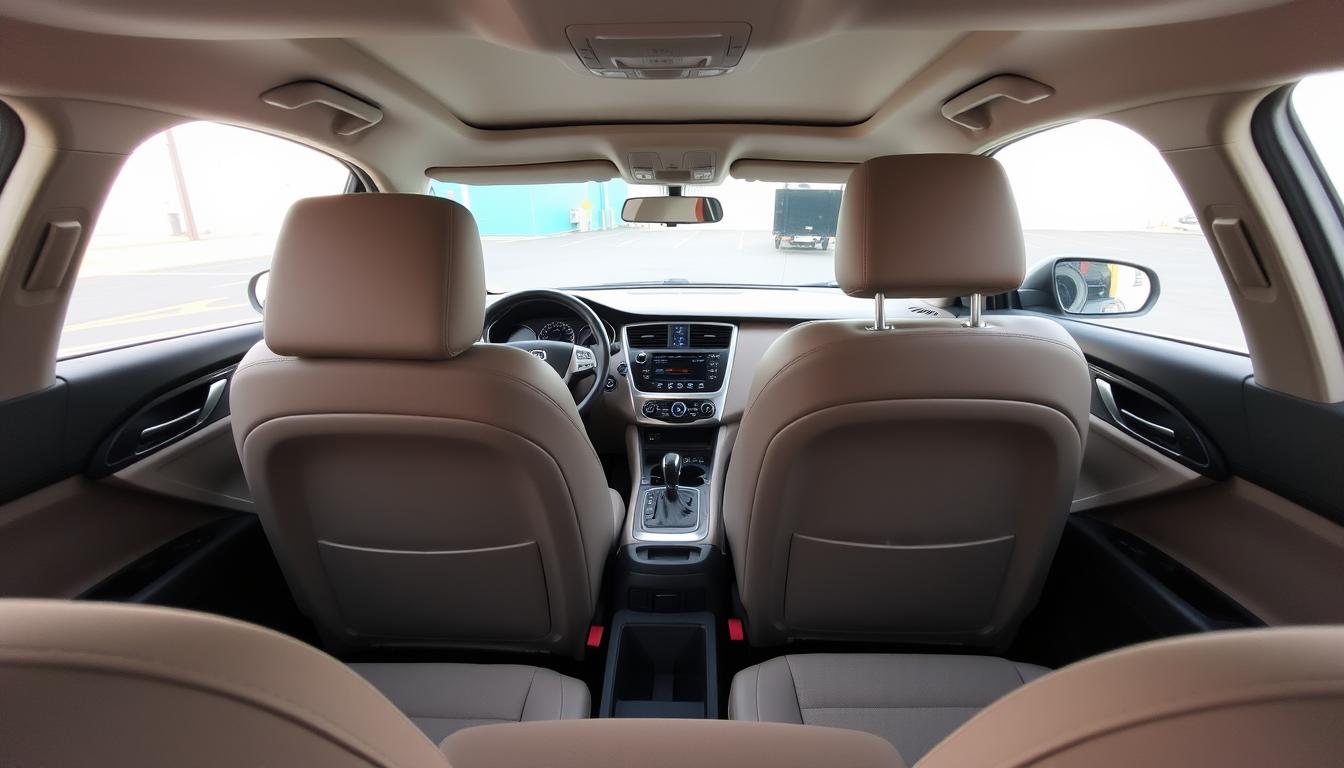
First, check the seats for any damage or wear. Make sure the seat adjustments work right. Also, test the seat belts to see if they work and look for any damage.
Then, look at the carpet, floor mats, and headliner. Watch for water damage signs like mold or bad smells. Also, check the dashboard and plastics for cracks or fading from the sun.
A well-maintained interior makes driving better and shows the car was cared for.
Next, test all the car’s electrical parts. This includes:
Make sure everything works right and there are no strange sounds or issues. Remember, 87% of used car accidents are due to bad lights, so a good check is very important.
| Interior Component | What to Check |
|---|---|
| Seats | Tears, stains, wear, adjustments |
| Seat Belts | Extension, retraction, fraying, damage |
| Carpet and Headliner | Water damage, mold, odors |
| Dashboard and Plastics | Cracks, warping, fading |
| Electrical Components | Functionality, unusual noises, malfunctions |
By carefully checking the interior, you can make sure the car is comfy, safe, and works well. This is important for your daily drive or fun trips in Kenya.
When checking a used car in Kenya, look under the hood carefully. Look for leaks, corrosion, and worn-out parts. These signs can show if the car is in good shape.
Check the engine block for oil stains. Dark brown stains might mean a leak. Also, check the oil and transmission fluid. They should be the right color and not dirty.
Make sure the engine runs smoothly. Listen for any strange sounds. Also, check the exhaust for smoke or noise.
A well-maintained engine is the heart of a reliable used car. Take the time to thoroughly inspect all components and fluids to avoid costly surprises down the road.
Always check for recalls and safety issues. Also, watch out for odometer fraud. A tampered odometer can hide the car’s true age and condition.
| Component | What to Check | Warning Signs |
|---|---|---|
| Engine | Leaks, corrosion, unusual noises | Dark brown oil stains, rattles, knocks |
| Oil | Color and level on dipstick | Dark, dirty, or low oil |
| Transmission Fluid | Color and smell | Burnt odor, dark color |
| Hoses and Belts | Cracks, wear, and flexibility | Visible cracks, fraying, or hardening |
| Exhaust | Color of smoke, noise level | Blue, black, or white smoke; loud noise |
By inspecting the engine and fluids, you can learn a lot about a used car in Kenya. This helps you make a smart choice and avoid problems.
Before buying a used car in Kenya, take it for a test drive. This lets you check how well the car performs and handles. It’s also a chance to see if it meets Kenya’s car standards.

Pay attention to how the car acts on different roads. Notice if the ride is smooth, the steering is quick, and the brakes work well. Listen for odd sounds or vibrations. These could mean there are problems that cost a lot to fix.
Here are some tips for a good test drive:
Watch for signs of trouble while driving. Look out for:
Remember, a good test drive is key when buying a used car in Kenya. Take your time. If needed, get a mechanic or a friend who knows cars to help you.
By carefully testing the car and watching for trouble signs, you can avoid bad choices. This careful approach helps make sure your car is what you expect and follows Kenya’s rules.
When you find a used car that fits your needs and budget, it’s time to take the next steps. A professional inspection and negotiating the price based on the findings can help you get a great deal. This ensures you’re investing in a reliable vehicle.
Even if you’ve researched the car’s history and looked it over yourself, a certified mechanic’s review is a good idea. A professional mechanic can:
With the mechanic’s report in hand, you can start negotiating the price. Here are some negotiation tips:
Recent market data shows buyers who got professional inspections and negotiated based on them saved an average of 8% off the asking price of used cars in Kenya.
By getting a certified mechanic to inspect the car and using the findings to negotiate, you can get a fair deal. This ensures you’re investing in a vehicle that will last for years.
Buying a used car in Kenya needs careful thought and a detailed check-up. This ensures you make a smart choice. Follow these tips to confidently shop for a used car in Kenya and steer clear of problems.
It’s key to get a full check before buying. This helps spot any hidden issues and talk a fair price with trusted sellers.
Before you buy, check all important papers. This includes the car’s history, service records, and ownership transfer documents. Kenya’s car rules must be followed. A certified mechanic’s review can give you important info about the car’s state.
After buying, keep your car well-maintained. This keeps it running well for a long time. Joining car groups in Kenya can also offer helpful advice and support. By being thorough and careful, you can find a used car that fits your needs and budget. Enjoy a good car buying experience in Kenya.
When buying a used car in Kenya, start with a detailed mechanical check. Also, check if there are any loans or money owed on the vehicle. Make sure the car hasn't been in any major accidents. A thorough pre-purchase inspection is key. It helps spot any problems and can help you talk down the price with the seller.
A good sales agreement should list the seller's and buyer's details. It should also include the car's information, like make, model, and mileage. The deal's terms, like payment and when to transfer the logbook, should be clear. It's important to note when and where the car handover will happen.
Look for rust, holes in the exhaust, and seats that don't align properly. Also, check for paint and body mismatches, dents, and carbon in the exhaust. Tires worn on one side and sludgy coolant are red flags too. Other signs include a disabled air bag light, engine light, and oil light. Issues with shifting gears, modifications, and electrical problems can also indicate safety and repair issues.
Start by searching the car's history on the NTSA TIMS portal. This will show the car's make, model, and owner's details. Make sure the logbook matches the seller's ID and the NTSA TIMS search.
Check for dents, ripples, and loose panels. Look for rust or crash repairs and hail damage. Make sure doors, the boot, and tailgate close well. Check the tires for damage or uneven wear. Test the lights, including head- and taillights, indicators, and reverse lights.
Be on the lookout for white smoke, blue smoke, and black smoke. Listen for crank noises and hard starts. Check for oil leaks and smells of fuel or burnt oil. Look for low transmission fluid, dark brown fluid, and cracked belts. Check for wobble, vibration, and rusted electrical connections.
Yes, hiring a certified mechanic is a good idea. They can spot issues you might miss. Use their findings to negotiate the price and make a smart purchase.

Author
John Johnson brings years of professional expertise to Africa’s used car market where he stands as a specialized automotive authority. His extensive industry experience allows him to deliver profound knowledge about purchasing and selling vehicles as well as understanding market dynamics and pricing patterns throughout Africa. His content provides buyers and sellers with current and precise information to help them confidently manage the complexities of vehicle transactions. John applies his passion for streamlining the car buying process by producing practical guides which transform complex steps into clear actionable solutions. Through his knowledge of automobile market and negotiation tips combined with import/export regulations and ownership costs readers learn to make knowledgeable choices. His articles deliver clear insights into Africa's ever-changing car market for both new buyers and experienced sellers.

Used Cars Africa is your trusted online resource for all things related to used cars in Africa. Founded in 2023, we're on a mission to simplify the process of buying and selling pre-owned vehicles across the continent.
Email: contact@usedcarafrica.com
Location: Africa


© 2025 UsedCarAfrica.com. All Rights Reserved.


Comments